

How Do We Customize the Best Treatment for Melasma on Face?
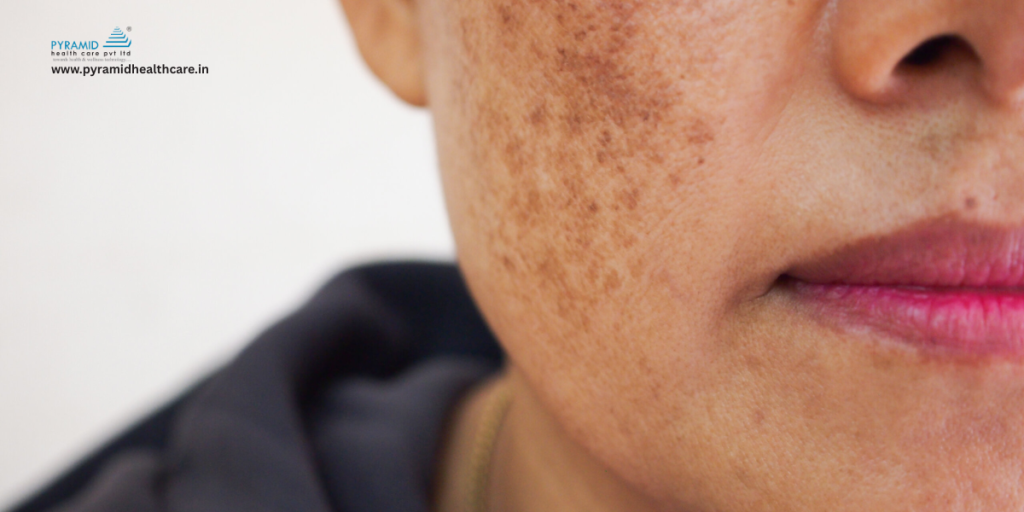
Melasma is one of the most challenging skin conditions to treat—not because it is dangerous, but because it is deeply personal. The brown or grayish patches that appear on the face can affect confidence, self-image, and emotional well-being. While many people search online for the best treatment for melasma on face, the truth is that melasma does not have a one-size-fits-all solution. The most effective approach is always a customized treatment plan tailored to the individual.
Understanding how melasma develops and why personalized care matters is the first step toward achieving clearer, more even-toned skin.
Understanding Melasma Before Treating It
Melasma is a form of hyperpigmentation caused by excess melanin production. It commonly appears on the cheeks, forehead, nose, upper lip, and chin. Several factors contribute to its development, including:
- Sun and UV exposure
- Hormonal changes (pregnancy, oral contraceptives)
- Genetics
- Heat exposure
- Certain medications and skincare products
Because these triggers vary from person to person, the best treatment for facial melasma must address the root cause, not just the visible pigmentation.
Why Customization Matters in Melasma Treatment
Many people try over-the-counter creams or trending home remedies, only to see minimal or temporary results. In some cases, incorrect treatment can worsen pigmentation. Customization ensures that:
- The skin type is respected
- The depth of pigmentation is properly assessed
- Trigger factors are controlled
- Side effects are minimized
A tailored approach delivers safer, longer-lasting results compared to generic solutions.
Step 1: Identifying the Type and Depth of Melasma
Not all melasma is the same. Dermatologists typically classify it into:
- Epidermal melasma – superficial pigment that responds well to topical treatment
- Dermal melasma – deeper pigment that requires advanced procedures
- Mixed melasma – a combination of both
Wood’s lamp examination or skin analysis helps determine pigment depth. This assessment is essential for designing the best treatment for melasma on face that actually works.
Step 2: Analyzing Skin Type and Sensitivity
Skin tone, texture, and sensitivity play a critical role in treatment selection. For example:
- Sensitive skin may not tolerate strong chemical peels
- Darker skin tones require gentler therapies to avoid post-inflammatory hyperpigmentation
- Oily or acne-prone skin needs non-comedogenic formulations
Customized melasma treatment ensures the skin barrier remains healthy while pigmentation is treated safely.
Step 3: Controlling Triggers Before Active Treatment
Even the most advanced melasma treatments will fail if triggers are ignored. A customized plan always includes:
- Strict sun protection using broad-spectrum sunscreen
- Avoidance of heat exposure (steam, saunas)
- Review of hormonal factors and medications
- Gentle skincare routines
Sun protection alone can significantly prevent worsening and recurrence, making it a cornerstone of the best treatment for melasma on face.
Step 4: Personalized Topical Therapies
Topical treatments are often the first line of defense and are customized based on skin tolerance and melasma severity. These may include:
- Tyrosinase inhibitors to reduce melanin production
- Retinoids to improve skin turnover
- Anti-inflammatory agents to calm pigmentation triggers
- Barrier-repair ingredients for long-term skin health
Rather than using everything at once, professionals carefully adjust concentrations and combinations for optimal results.
Step 5: Advanced In-Clinic Treatments (When Needed)
For stubborn or deep melasma, customized clinical procedures may be recommended, such as:
- Chemical peels tailored to skin tone
- Laser or light-based therapies are used cautiously
- Microneedling with pigmentation-targeting serums
These treatments are spaced and combined strategically to reduce risk and improve outcomes. When performed correctly, they can significantly enhance the effectiveness of the best treatment for facial melasma.
Step 6: Maintenance and Long-Term Care
Melasma is a chronic condition, meaning maintenance is just as important as treatment. A personalized aftercare plan typically includes:
- Ongoing sun protection
- Mild brightening agents
- Periodic professional follow-ups
- Lifestyle modifications
Consistency is what keeps melasma from returning once improvement is achieved.
Why Professional Guidance Makes a Difference
Online advice can be misleading, especially for a condition as complex as melasma. What works for one person may trigger pigmentation in another. Consulting a qualified skincare professional or dermatologist ensures that your treatment plan evolves with your skin’s needs.
When done correctly, customization doesn’t just treat melasma—it restores skin confidence safely and sustainably.
Final Thoughts
Finding the best treatment for melasma on face is not about chasing the latest product or procedure. It’s about understanding your skin, identifying triggers, and following a personalized, medically guided plan. With patience, consistency, and the right customization, melasma can be effectively managed and visibly improved.
Clear skin isn’t achieved overnight—but with the right approach, it is absolutely achievable.
Don’t guess your treatment.
Get expert guidance and a customized melasma treatment plan designed for your skin. Book your consultation now.




 2025 All Rights Reserved, Pyramid Healthcare.