

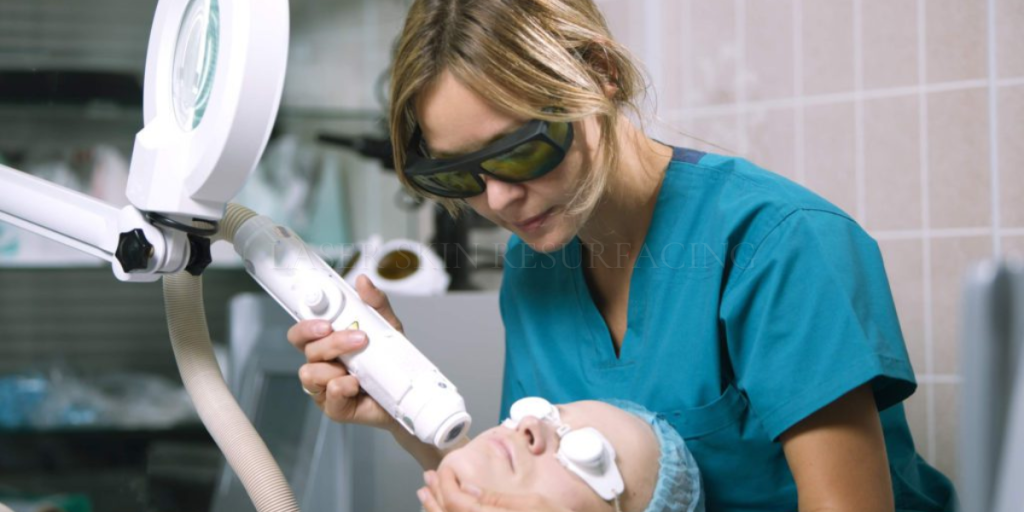
Laser Skin Resurfacing: How It Works and What to Expect
Healthy, radiant skin is something many of us strive for, but factors like aging, sun exposure, acne scars, and uneven texture can leave us searching for effective solutions. One treatment that has gained significant attention in recent years is laser skin resurfacing. Known for its ability to rejuvenate the skin and address a range of cosmetic concerns, this procedure offers a modern approach to achieving smoother, younger-looking skin.
We’ll explore how laser skin resurfacing works, what you can expect before, during, and after the procedure, and who may benefit most from it.
What Is Laser Skin Resurfacing?
Laser skin resurfacing is a non-invasive cosmetic procedure that uses concentrated beams of light to target damaged skin. The laser works by removing the outer layers of skin while stimulating the production of collagen in the deeper layers. Collagen is a natural protein that helps maintain the skin’s elasticity, firmness, and youthful appearance.
The result is improved skin texture, reduced fine lines and wrinkles, minimized scars, and an even skin tone. Depending on the type of laser used and the condition being treated, results can be visible after just a single session, though multiple treatments may be recommended for optimal outcomes.
How Does It Work?
There are two primary types of laser skin resurfacing:
- Ablative Lasers: These lasers remove the outer layers of skin and are typically more intensive. They are effective for treating deeper wrinkles, severe sun damage, and significant scarring. Recovery time can be longer due to the intensity of the procedure.
- Non-Ablative Lasers: These lasers penetrate the deeper layers of skin without removing the surface. They stimulate collagen growth gradually, making them suitable for milder skin imperfections and those seeking minimal downtime.
During the procedure, a trained dermatologist or cosmetic specialist will direct the laser over the targeted areas. The laser’s energy is absorbed by the skin cells, which then triggers the body’s natural healing processes. Depending on the treatment, patients may experience mild discomfort similar to a warm prickling sensation.
Preparing for Laser Skin Resurfacing
Proper preparation is essential to maximize results and minimize risks. Here are some tips:
- Consult a Professional: A dermatologist will assess your skin type, medical history, and goals to determine the most suitable laser treatment.
- Avoid Sun Exposure: Sunburned or tanned skin is more prone to complications.
- Discontinue Certain Medications: Your provider may advise pausing medications or skincare products that could increase skin sensitivity.
- Arrange Post-Treatment Care: Healing requires gentle skin care and avoiding strenuous activities that may irritate the skin.
IRIS Bluetoning – Advanced Q-Switched Laser for Skin Toning and Rejuvenation
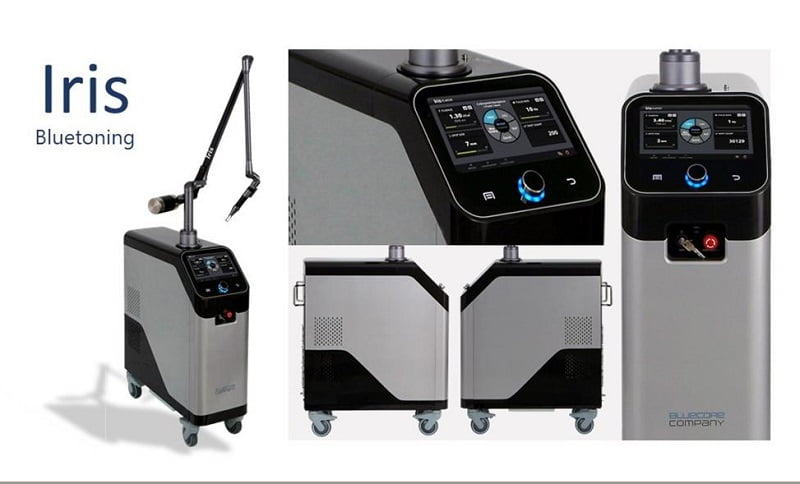
The IRIS Bluetoning system by Pyramid Healthcare is a high-performance Q-switched Nd:YAG laser designed to deliver consistent and effective toning treatments across various skin types. It features a Super Hive Flat beam profile, ensuring even energy distribution for optimal results. With a maximum pulsed energy of 1600/2000 mJ at 1064 nm and 500 mJ at 532 nm, the IRIS Bluetoning system offers versatility in addressing a range of skin concerns. The device operates at a True 15Hz repetition rate, allowing for rapid and uniform treatment sessions, enhancing clinic efficiency. Additionally, the system includes features like remote connectivity and real-time support, ensuring seamless operation and minimal downtime. Clinics seeking a reliable and advanced solution for skin toning and rejuvenation can consider the IRIS Bluetoning system as a valuable addition to their aesthetic offerings.
What to Expect After Treatment
Recovery depends on the type of laser used and the depth of treatment. Common post-treatment experiences include redness, swelling, and mild peeling. Ablative lasers usually require more downtime, with healing taking one to two weeks, while non-ablative lasers may involve minimal redness and a shorter recovery period.
To ensure optimal healing, follow your dermatologist’s aftercare instructions carefully. This often includes:
- Using gentle cleansers and moisturizers
- Applying prescribed ointments or sunscreens
- Avoiding direct sunlight for several weeks
Benefits of Laser Skin Resurfacing
Laser skin resurfacing offers numerous advantages, including:
- Smoother, more even skin texture
- Reduction in fine lines, wrinkles, and age spots
- Minimization of acne scars and other blemishes
- Improved skin tone and overall radiance
- Long-lasting results with proper skin care
Is Laser Skin Resurfacing Right for You?
Not everyone is a candidate for laser skin resurfacing. Ideal candidates are those with:
- Mild to moderate wrinkles or fine lines
- Acne or surgical scars
- Sun-damaged or uneven skin tone
- Realistic expectations about results
Individuals with certain skin conditions, a history of keloid scarring, or recent tanning may need alternative treatments or additional precautions. A thorough consultation with a qualified specialist is crucial to determine suitability.
Final Thoughts
Laser skin resurfacing is a powerful tool in modern dermatology that can rejuvenate the skin, address imperfections, and restore a youthful glow. While the procedure requires careful preparation and aftercare, the results can be transformative, giving patients renewed confidence in their appearance.
If you’re considering laser skin resurfacing, speak with a licensed dermatologist to discuss your goals and develop a personalized treatment plan. With the right approach, radiant and revitalized skin is well within reach.


 2025 All Right Reserved, Pyramid Healthcare.