

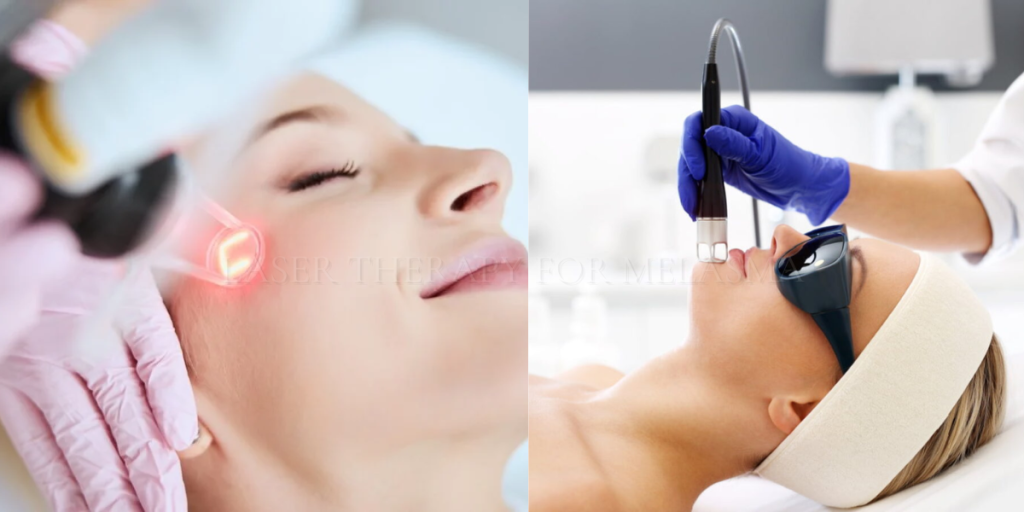
Types of Laser Therapy for Melasma: Which One Is Right for Your Skin Tone?
Melasma can be one of the most frustrating skin conditions to deal with. Those uneven brown or gray patches—usually on the cheeks, forehead, or upper lip—seem to appear out of nowhere and refuse to fade, no matter how many creams or treatments you try. For many people, melasma isn’t just a cosmetic concern—it’s something that affects confidence and how they feel about their skin every single day.
In recent years, laser therapy for melasma has gained a lot of attention, with new technologies promising clearer, more even-toned skin. But is it really the gold standard in 2025? And with so many laser types available, how do you know which one is right for your skin tone?
Let’s break it down in simple, human terms.
Why Laser Therapy Has Changed the Game
For decades, dermatologists relied mostly on topical creams like hydroquinone and retinoids to lighten dark spots. They helped, but the results were often temporary or inconsistent. Laser therapy changed that by going deeper—literally.
Instead of just treating the surface, laser treatments target pigment beneath the skin, breaking it down so the body can naturally clear it away. The result? More effective fading of melasma and smoother, brighter skin overall.
The real breakthrough in 2025 is precision. Modern lasers can be adjusted to match your exact skin tone and pigment depth. That means better results, fewer side effects, and much less risk of the problem coming back darker (which used to be a common issue years ago).
The Most Common Types of Laser Therapy for Melasma
Every person’s skin is unique, and not all lasers work the same way. Here are the main types your dermatologist might recommend—each with its own strengths.
1. Q-Switched Nd:YAG Laser
This is one of the most widely used treatments for melasma. It delivers short bursts of energy that break up melanin (the pigment causing the dark spots) without damaging the surface of your skin. It’s especially good for medium to darker skin tones, since it minimizes the risk of irritation or rebound pigmentation.
2. Pico Laser (Picosecond Laser)
Pico lasers are known for being fast and gentle. They use ultra-short pulses to shatter pigment particles into tiny fragments that your body can flush out naturally. Because there’s less heat involved, there’s also less risk of inflammation, making it a great choice for sensitive or combination skin.
3. Fractional Laser
Fractional lasers are a bit different—they focus on overall skin rejuvenation. They don’t just treat pigmentation; they also help improve texture, fine lines, and pores. While they’re not always the first option for melasma alone, they’re an excellent choice if you’re also looking to refresh and smooth your skin.
4. Low-Fluence Laser Toning
Think of this as a “gentle approach” to laser therapy. It uses lower energy levels over multiple sessions to gradually fade pigmentation. It’s perfect for maintaining results or for people with very sensitive skin.
Choosing the Right Laser for Your Skin Tone
Not all skin tones react to lasers the same way.
- Fair to light skin can often handle stronger wavelengths and more aggressive treatment plans.
- Medium to darker skin tones need a gentler, more controlled approach to avoid irritation or new pigmentation.
That’s why seeing an experienced dermatologist is so important—they’ll customize your treatment to your skin’s exact needs.
Picore BlueFx – Advanced Picosecond Nd:YAG Laser for Dermatology and Aesthetic Treatments
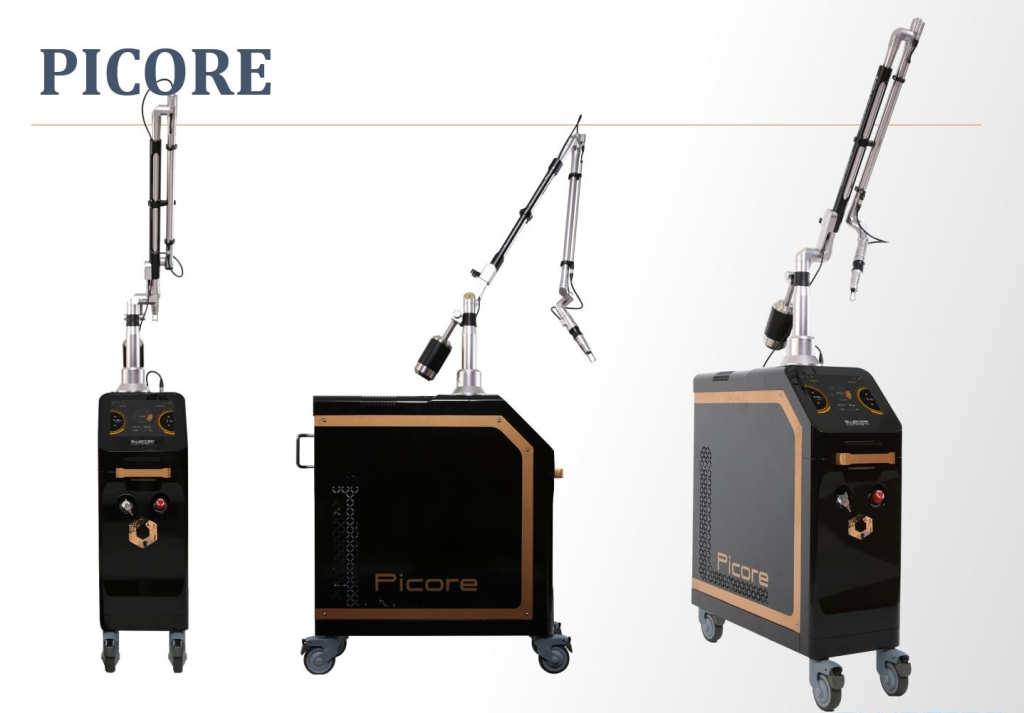
The Picore BlueFx by Pyramid Healthcare is a state-of-the-art picosecond Nd:YAG laser system designed for advanced dermatological and aesthetic treatments. It features a unique triple-chamber optical system that delivers ultra-short 450 picosecond pulses with peak energies up to 800 mJ, achieving a peak power of 1.8 gigawatts. This configuration ensures precise targeting of pigment and scar tissue while minimizing damage to surrounding skin. The device is equipped with a 10.4-inch touchscreen interface and supports remote monitoring via Ethernet and Wi-Fi, facilitating seamless integration into modern clinics. Clinically, the Picore BlueFx excels in treating a variety of skin conditions, including tattoo removal, pigmentation disorders like melasma and sunspots, acne scars, and signs of skin aging. Its versatility and efficiency make it a preferred choice among dermatologists seeking reliable, non-invasive solutions for diverse skin concerns.
Aftercare Matters Just as Much
Laser therapy may feel like a miracle solution, but what you do afterward is just as important as the treatment itself.
After your session, your skin will be more sensitive to sunlight. Daily sunscreen is non-negotiable—look for one with SPF 50 or higher. You should also avoid harsh exfoliants or active ingredients like retinol for at least a few days.
Most dermatologists recommend pairing laser therapy with gentle brightening serums and antioxidants to protect and maintain your results.
So, Is Laser Therapy Really the Gold Standard in 2025?
In short—yes, it is.
Laser therapy has evolved so much that it’s now one of the safest and most effective ways to manage melasma when performed by a qualified dermatologist. The results are more predictable, the downtime is minimal, and the risk of side effects is much lower than it used to be.
But melasma is a tricky condition—it can fade, then come back if triggered by sun exposure or hormonal changes. That’s why ongoing care is key. Think of laser therapy not as a one-time fix, but as part of a long-term skincare plan.
Final Thoughts
If you’ve been struggling with stubborn pigmentation, laser therapy for melasma might be the breakthrough your skin needs. The technology in 2025 allows for personalized, safe, and long-lasting results for nearly every skin tone.
The best first step? Schedule a consultation with a trusted dermatologist who can evaluate your skin and recommend the laser treatment that’s right for you. With the right plan, clearer and more confident skin is absolutely possible.


 2025 All Right Reserved, Pyramid Healthcare.