

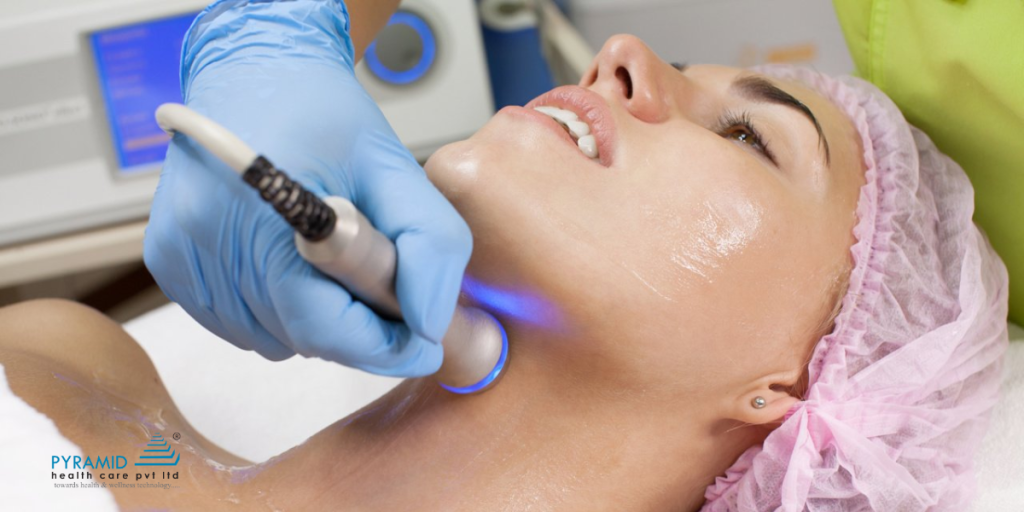
RF Skin Tightening Machine Safety Standards Every Clinic Should Follow
In today’s aesthetic industry, RF skin tightening treatments are no longer a luxury service — they are an expectation. Clients walk into clinics trusting not just the results, but the safety behind every procedure. That trust is built on one critical foundation: how responsibly an RF skin tightening machine is selected, handled, and maintained.
While advanced technology can deliver impressive skin-tightening results, safety standards are what protect patients, practitioners, and the clinic’s reputation. Unfortunately, this is also where many clinics cut corners.
Let’s talk about the non-negotiable safety standards every clinic must follow when offering RF skin tightening treatments.
1. Use Only Certified and Approved RF Skin Tightening Machines
Safety starts before the first treatment — it starts with the machine itself.
Every clinic should ensure its RF skin tightening machine is certified and approved according to medical and electrical safety standards. This is especially important when sourcing equipment locally. Clinics offering services with an RF skin tightening machine in India must verify that the device complies with national regulations and manufacturer safety certifications.
Uncertified machines may appear cost-effective at first, but they carry serious risks — inconsistent energy delivery, overheating, and long-term liability for the clinic.
2. Practitioner Training Is a Safety Requirement, Not an Option
One of the most common safety failures in clinics is assuming that “anyone can operate the machine.”
That assumption is dangerous.
Every practitioner using an RF device must be trained to:
- Understand RF energy behavior in different skin types
- Adjust settings safely based on treatment areas
- Recognize early signs of overheating or skin stress
- Respond immediately to patient discomfort
Even the best RF skin tightening machine cannot compensate for improper handling. Clinics that invest in training protect their patients and significantly reduce treatment-related complications.
3. Mandatory Skin Assessment Before Every Session
RF treatments are not “one-setting-fits-all.”
Before switching on the machine, clinics must perform a proper skin assessment that includes:
- Skin type and sensitivity
- Medical history and contraindications
- Presence of implants, metal, or active skin conditions
Skipping this step is one of the fastest ways to cause burns or post-treatment issues. A customized protocol is not just about results — it’s a core safety standard.
4. Strict Temperature and Energy Control During Treatment
One of the biggest risks in RF skin tightening is excessive heat.
Clinics must follow these standards:
- Never exceed manufacturer-recommended temperature limits
- Use machines with real-time temperature monitoring
- Maintain constant movement of the handpiece
- Encourage patients to communicate discomfort immediately
Safety-focused clinics understand that faster treatments are not better treatments.
5. Routine Machine Calibration and Maintenance
An RF skin tightening machine that isn’t maintained properly becomes unpredictable.
Clinics should have a documented schedule for:
- Machine calibration
- Software updates
- Handpiece inspection and replacement
- Performance testing
When evaluating rf skin tightening machine price, clinics should factor in long-term maintenance costs. A cheaper machine with poor service support can become a safety liability within months.
6. Hygiene and Infection Control Are Still Essential
Although RF skin tightening is non-invasive, hygiene standards must never be relaxed.
Clinics should:
- Disinfect handpieces after every use
- Use fresh gels or consumables per patient
- Follow strict room sanitation protocols
Clean practices not only prevent cross-contamination but also reinforce patient confidence in the clinic’s professionalism.
7. Transparent Communication With Patients
Safety also includes honesty.
Clinics should clearly explain:
- How RF skin tightening works
- Possible sensations during treatment
- Realistic results and timelines
- Post-treatment care
Clients today are well-informed. Transparency builds trust and reduces misunderstandings that can harm a clinic’s reputation.
8. Responsible Pricing and Ethical Practice
Many clinics compete aggressively on price, often referencing the RF skin tightening machine price in India to justify lower treatment costs. However, ethical clinics understand that safety, training, and quality equipment have real costs.
Underpricing treatments often leads to:
- Rushed sessions
- Overuse of machines
- Compromised safety standards
Sustainable pricing supports safe practice.
Final Thoughts
RF skin tightening is a powerful treatment — but only when performed responsibly. Clinics that follow proper safety standards don’t just protect their clients; they protect their brand, their staff, and their long-term growth.
Choosing the right RF skin tightening machine, training practitioners thoroughly, maintaining equipment, and prioritizing patient safety are not optional steps. They are the foundation of a successful aesthetic clinic.
In an industry built on trust and visible results, safety is the true mark of professionalism.
Ready to add premium laser devices to your clinic? Book a free demo with our expert.


 2025 All Right Reserved, Pyramid Healthcare.