

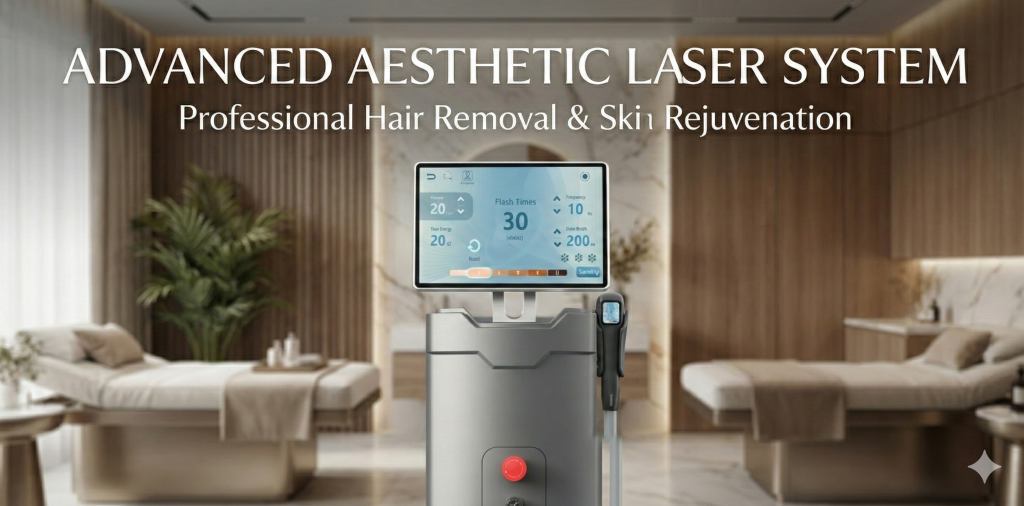
Training and Certification Requirements for RF Radio Frequency Skin Tightening Machine
The demand for non-invasive aesthetic treatments continues to rise, and radiofrequency technology is at the center of this growth. Among the most popular devices in clinics and med spas today is the RF Radio Frequency Skin Tightening Machine, known for its ability to firm skin, reduce wrinkles, and stimulate collagen production without surgery.
However, operating this advanced technology requires more than just purchasing the equipment. Proper training and certification are essential to ensure client safety, treatment effectiveness, and regulatory compliance. Whether you are a licensed esthetician, medical professional, or clinic owner, understanding the training requirements is a critical step before offering RF skin tightening services.
Why Training Is Essential for RF Skin Tightening Treatments
Although RF skin tightening is non-surgical, it is still a medical-grade or professional aesthetic procedure that uses controlled thermal energy. Incorrect settings, poor technique, or lack of skin assessment can lead to burns, discomfort, or ineffective results.
Professional training helps practitioners:
- Understand radiofrequency energy and how it interacts with skin tissue
- Identify appropriate candidates for RF skin tightening treatments
- Adjust energy levels safely for different skin types and treatment areas
- Recognize contraindications and manage potential side effects
- Deliver consistent, natural-looking results
Using an RF Radio Frequency Skin Tightening Machine without proper education not only risks client dissatisfaction but may also expose your business to legal and insurance issues.
Who Can Operate an RF Radio Frequency Skin Tightening Machine?
The eligibility to operate RF equipment varies by country, state, or region. In many locations, the following professionals are allowed to perform RF skin tightening treatments after proper training:
- Licensed estheticians or cosmetologists
- Registered nurses (RNs)
- Nurse practitioners (NPs)
- Physicians or dermatologists
- Medical spa technicians under medical supervision
Some regions allow non-medical beauty professionals to use RF machines, provided they complete certified training programs and work within the scope of practice. Always check local regulations before offering treatments.
Types of Training Programs Available
Manufacturer-Provided Training
Most reputable suppliers of RF Radio Frequency Skin Tightening Machines offer in-house or online training as part of the equipment purchase. This training typically covers:
- Machine operation and safety protocols
- Treatment techniques for the face and body
- Parameter settings and energy control
- Pre- and post-treatment care
Manufacturer training ensures you understand your specific device, but it may not replace formal certification in some regions.
Accredited Aesthetic Training Courses
Professional beauty academies and aesthetic schools offer RF skin tightening certification courses. These programs often include:
- Fundamentals of radiofrequency technology
- Skin anatomy and collagen remodeling
- Hands-on practice with live models
- Hygiene and infection control
- Client consultation and treatment planning
Completing an accredited course strengthens your professional credibility and may be required by insurance providers.
Online RF Certification Programs
Online learning has become increasingly popular, especially for theory-based training. Many programs combine online modules with in-person practical sessions. While convenient, ensure the course is recognized by industry bodies and meets local regulatory standards.
Certification Requirements and Documentation
While certification requirements differ worldwide, most professional RF training programs provide:
- A certificate of completion
- Proof of practical competency
- Training hours documentation
Clinics and med spas often require technicians to maintain updated certificates for compliance and inspections. In addition, liability insurance providers usually request proof of training before covering RF treatments.
Continuing Education and Skill Updates
Technology in aesthetic medicine evolves quickly. Modern RF Radio Frequency Skin Tightening Machines now feature multi-polar RF, temperature monitoring, and combination therapies. Ongoing education ensures practitioners stay updated with:
- New treatment protocols
- Advanced RF techniques
- Updated safety guidelines
- Improved patient outcomes
Many professionals attend workshops, webinars, or refresher courses annually to remain competitive in the aesthetics industry.
Legal and Insurance Considerations
Training alone is not enough. Clinics must also ensure:
- Compliance with local health and safety regulations
- Proper device registration and approval
- Adequate professional liability insurance
- Clear client consent and documentation
Operating RF equipment without proper certification may void insurance coverage and expose practitioners to legal risks in the event of adverse events.
Choosing the Right Training Program
When selecting a training course for RF skin tightening, look for programs that offer:
- Experienced instructors with a clinical background
- Hands-on practical training
- Recognized certification
- Post-training support
- Device-specific education
A quality training program adds long-term value to your practice and builds client trust.
Final Thoughts
Investing in an RF Radio Frequency Skin Tightening Machine is only the first step toward offering successful skin rejuvenation treatments. Proper training and certification are crucial for ensuring safety, maintaining professionalism, and driving business growth. Well-trained practitioners not only deliver better results but also enhance their reputation in an increasingly competitive aesthetic market.
By prioritizing education, staying compliant with regulations, and committing to continuous learning, professionals can confidently offer RF skin tightening treatments that are safe, effective, and highly sought after.
Leolase is a next-generation, high-performance diode laser hair removal machine designed to deliver fast, safe, and effective results across a wide range of skin tones and hair types. It uses triple-wavelength laser technology (755 nm, 808 nm, and 1064 nm), allowing it to precisely target hair follicles at different depths and making it suitable for all Fitzpatrick skin types from I to VI — from fair to darker skin tones — with minimal risk of pigmentation issues.
Powered by an advanced 3000 W diode laser, Leolase enables rapid treatment sessions, significantly reducing time compared with traditional systems; full-body treatments that once took hours can be completed in just minutes. Its intuitive user interface, auto-tip detection, and multiple magnetic tip sizes — from large areas like legs and back to delicate zones such as the upper lip or bikini line — give practitioners the flexibility to customise treatments for precision and comfort.
The system also includes an effective built-in cooling mechanism that enhances patient comfort by keeping the skin cool during treatment, helping to minimise discomfort, burns, and redness. For aesthetic clinics, Leolase offers efficient workflow, low maintenance, and fast return on investment, as there are no costly consumables and the durable design supports high-volume use.
Overall, Leolase stands out as a versatile and powerful hair removal platform that combines cutting-edge laser performance with safety, comfort, and clinic-friendly productivity.


 2025 All Right Reserved, Pyramid Healthcare.