

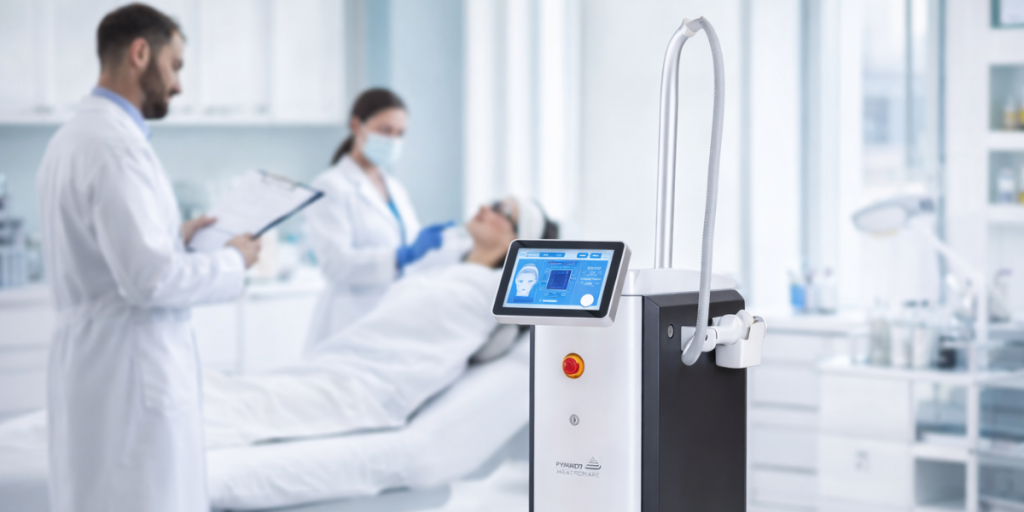
Best Season for Pigmentation Removal Laser in India – Summer or Winter?
Pigmentation is one of the most persistent skin concerns in India. From melasma and sun spots to acne marks and uneven tone, the combination of strong UV radiation, heat, pollution, and hormonal triggers makes pigmentation harder to treat and easier to relapse. This is why Pigmentation Removal Laser treatments have gained immense popularity. But timing matters far more in India than in cooler countries. Choosing the right season can determine whether your results are long-lasting or short-lived.
So, should you undergo Pigmentation Removal Laser in India during summer or winter? Let’s break it down with climate-based dermatology insights.
Why Seasonal Timing Matters for Laser Pigmentation Treatment
Laser devices work by delivering targeted energy that breaks down excess melanin in the skin. After the session:
- The skin becomes photosensitive
- The barrier is temporarily compromised
- New skin cells are more vulnerable to UV damage
If this healing phase overlaps with intense sun exposure, there is a higher risk of:
- Rebound pigmentation
- Post-inflammatory hyperpigmentation (PIH)
- Tanning that cancels out laser results
In a country where UV levels remain high for most of the year, seasonal planning is not optional—it is essential.
Winter: The Ideal Season for Pigmentation Removal Laser in India
Across most Indian cities—whether you are in North, Central, or South India—winter provides the most controlled environment for laser treatments.
1. Lower UV Index
UV intensity drops significantly between October and February. Even though sunscreen is still necessary, the background UV load is lower, which reduces the risk of triggering fresh melanin production during the healing phase.
2. Reduced Heat and Sweating
Post-laser skin is sensitive. Excess sweating can:
- Irritate treated areas
- Increase the risk of infection
- Delay recovery
Cooler weather allows the skin to heal comfortably without constant friction, oiliness, and sweat.
3. Easier Sun Protection
In winter, people naturally:
- Wear full sleeves and scarves
- Spend less time in harsh sunlight
- Avoid peak afternoon heat
This makes compliance with post-laser sun protection much easier.
4. Better Treatment Scheduling
Pigmentation lasers require multiple sessions spaced 3–6 weeks apart. Starting in winter allows you to:
- Complete the full course safely
- See visible brightening by summer
- Maintain results with minimal relapse
For Indian skin types (Fitzpatrick IV–V), this seasonal advantage is especially important.
Summer Laser: Possible but Not Preferred
Technically, Pigmentation Removal Laser can be performed in summer, but it is not the first choice for most dermatologists.
Challenges Unique to Indian Summers
- Extremely high UV index
- Outdoor commuting and sun exposure
- Heavy sweating and oil production
- Increased tanning even with sunscreen
All of these factors stimulate melanocytes—the very cells the laser is trying to control.
This increases the chances of:
- Uneven results
- Patchy lightening
- Pigmentation recurrence
For deep conditions like melasma, summer laser can sometimes worsen the problem if sun protection is not flawless.
When Summer Treatment May Be Considered
A dermatologist may still proceed in summer if:
- The treatment area is covered (for example, back or underarms)
- The patient can strictly avoid sun for 3–4 weeks
- Broad-spectrum SPF 50+ is reapplied every 2–3 hours
- Physical sun protection (hat, scarf, umbrella) is followed
Even then, energy settings are usually kept conservative, which may mean slower results.
Climate-Smart Pre-Laser Preparation for Indian Skin
Regardless of the season, proper skin preparation improves outcomes.
2–4 Weeks Before Laser
- Avoid tanning and outdoor peak sun exposure
- Use daily sunscreen (even indoors)
- Stop strong actives like retinoids and exfoliating acids
- Focus on hydration and barrier repair
Tanned or inflamed skin absorbs laser energy unevenly, increasing complication risk.
Post-Laser Care: The Real Secret to Success
The treatment does not end when the session is over. Healing care determines whether pigment clears smoothly or returns.
Essential Aftercare
- Strict sun avoidance for at least 2 weeks
- SPF 50+ every 2–3 hours
- Gentle cleanser and bland moisturizer
- No heat treatments, steam, or workouts for a few days
- Avoid picking or scrubbing the treated area
These steps are far easier to follow in winter, which is another reason it is the preferred season for Pigmentation Removal Laser in India.
The Role of Advanced Laser Technology
Season matters, but so does the device used. Indian skin contains more active melanocytes, which means lasers must be:
- Precise
- Adjustable in energy
- Designed for darker skin tones
Modern Q-switched and advanced pigment-targeting platforms allow dermatologists to treat melasma, sun damage, and acne pigmentation with better safety profiles.
The Eclipse laser system is a strong example of technology suited for Indian pigmentation concerns. It delivers controlled, uniform energy that breaks down stubborn melanin while minimizing thermal damage to surrounding tissue. Because the parameters can be customized for different depths and skin types, it helps reduce the risk of post-laser hyperpigmentation—a common concern in Indian patients. For clinics offering Pigmentation Removal Laser in India, using a system like Eclipse enables consistent results, shorter downtime, and improved patient comfort across multiple sessions.
Month-by-Month Laser Planning for India
October – February:
Best time to start and complete pigmentation laser sessions.
March – April:
Possible with strict sun protection and cautious settings.
May – August (Peak Summer):
Generally avoided for facial pigmentation unless absolutely necessary.
September:
Good time for skin preparation before starting laser in October.
Who Should Definitely Wait for Winter?
You should postpone treatment if you:
- Tan easily
- Travel frequently in the sun
- Have active melasma flare-ups
- Cannot reapply sunscreen regularly
Waiting a few months can significantly improve both safety and long-term results.
Final Verdict: Summer or Winter?
For Indian conditions, the answer is clear and practical:
Winter is the safest and most effective season for Pigmentation Removal Laser.
Summer treatments are possible but require extreme caution and often deliver slower results.
If your goal is:
- Even skin tone
- Long-lasting pigmentation reduction
- Minimal risk of rebound
Plan your Pigmentation Removal Laser in India between October and February and follow strict sun protection protocols.
Upgrade your practice with next-generation pigment technology. Discover how the Eclipse laser system delivers safer, more effective pigmentation removal for Indian skin types. Book Your Pigmentation Laser Consultation.


 2025 All Rights Reserved, Pyramid Healthcare.