

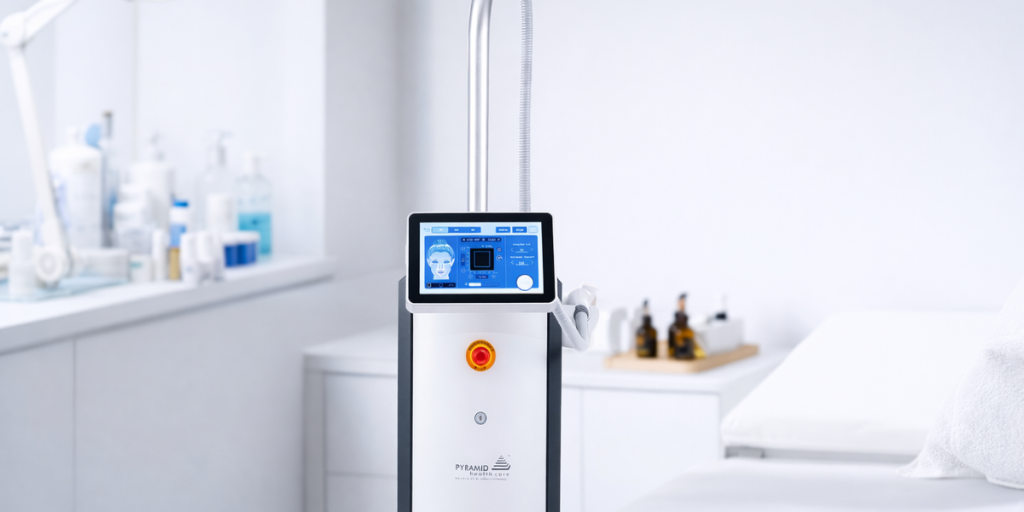
Best Treatment for Melasma on Face After Pregnancy: Safe, Effective Options for New Mothers
Melasma after pregnancy can feel frustrating—especially when you’re already adjusting to life with a newborn. The dark patches that appeared during pregnancy often linger on the cheeks, forehead, nose, or upper lip, affecting confidence at a time when your body is already going through major changes.
The reassuring truth is that melasma is treatable, and there are safe, breastfeeding-friendly solutions that help fade pigmentation without harming your baby. With the right routine, medical guidance, and consistent sun protection, you can gradually restore an even, healthy skin tone.
At Pyramid Healthcare, we specialize in women-friendly dermatology care, offering customized melasma treatments designed specifically for postpartum skin and Indian skin types.
Why Melasma Persists After Delivery
During pregnancy, high levels of estrogen and progesterone stimulate melanocytes (pigment-producing cells). Even after delivery, melasma may continue due to:
- Sun exposure (even through windows)
- Heat and sweating
- Hormonal fluctuations during breastfeeding
- Skin inflammation or harsh skincare products
This is why postpartum melasma needs gentle, long-term management rather than aggressive treatments.
Best Treatment for Melasma on Face After Pregnancy
1. Sunscreen: The Foundation of Every Treatment
No melasma treatment works without daily sun protection. UV and visible light can deepen pigmentation within minutes, undoing weeks of progress.
Choose:
- Mineral sunscreen (zinc oxide/titanium dioxide)
- SPF 30 or higher
- Tinted formulas for added visible light protection
Reapply every 2–3 hours, even indoors if you’re near windows.
For new mothers managing melasma, a reliable sunscreen like Eclipse becomes the most important step in preventing further darkening and maintaining treatment results.
2. Azelaic Acid: The Safest Medical Treatment
Azelaic acid is widely considered the best treatment for melasma on face after pregnancy because it is:
- Safe during breastfeeding
- Gentle on sensitive skin
- Effective at reducing pigment production
- Anti-inflammatory (helps with redness and acne too)
With regular use, visible lightening can begin within 8–12 weeks.
3. Niacinamide for Barrier Repair and Brightening
Postpartum skin is often sensitive and dehydrated. Niacinamide helps by:
- Strengthening the skin barrier
- Reducing pigment transfer
- Improving overall skin texture
It pairs well with azelaic acid and is suitable for daily use.
4. Vitamin C for Antioxidant Protection
Vitamin C is a powerful antioxidant that:
- Brightens dull skin
- Protects against UV-induced pigmentation
- Supports collagen repair
It’s a great morning addition under sunscreen for new mothers looking for a safe glow boost.
5. Gentle Botanical Brighteners
Ingredients like licorice extract, kojic acid (low strength), and turmeric derivatives can gradually reduce pigmentation when used under dermatological guidance.
Treatments to Avoid During Breastfeeding
Some popular melasma treatments are not recommended in the postpartum phase:
- Hydroquinone (high absorption into the bloodstream)
- Retinoids (retinol, tretinoin)
- Oral tranexamic acid
- Strong chemical peels
- Early laser treatments
These options may be introduced after breastfeeding ends, if needed.
The Role of Eclipse in Melasma Care: Treatment vs Protection
Many patients focus only on creams that lighten pigmentation, but sun protection determines whether those treatments succeed or fail. This is where Eclipse sunscreen becomes essential.
What Eclipse Does
- Shields skin from UVA, UVB, and visible light
- Prevents existing melasma from getting darker
- Protects results from azelaic acid, vitamin C, and niacinamide
- Reduces the risk of recurrence
What It Does Not Do Alone
Eclipse does not remove existing pigmentation by itself—no sunscreen does. Its role is to stop further pigment activation, allowing your treatment products to work effectively.
Think of melasma care as a two-part system:
- Depigmenting treatments fade existing patches
- Eclipse sunscreen prevents new pigmentation
Without daily sunscreen, melasma almost always returns.
A Simple, Safe Postpartum Skincare Routine
Morning
- Gentle, non-foaming cleanser
- Vitamin C serum
- Niacinamide (optional)
- Eclipse sunscreen (reapply every 2–3 hours)
Night
- Gentle cleanser
- Azelaic acid cream
- Hydrating moisturizer
This routine is breastfeeding-safe, effective, and easy to follow for busy mothers.
How Long Does It Take to See Results?
Melasma fades slowly. With consistent care:
- Mild pigmentation: 2–3 months
- Moderate pigmentation: 4–6 months
- Stubborn melasma: 9–12 months
The key is consistency, not stronger products.
Professional Melasma Treatment at Pyramid Healthcare
We follow a stepwise, safety-first approach:
Phase 1: Skin Barrier Repair
Hydration therapy and gentle brighteners
Phase 2: Medical Topicals
Azelaic acid combinations, niacinamide, antioxidants
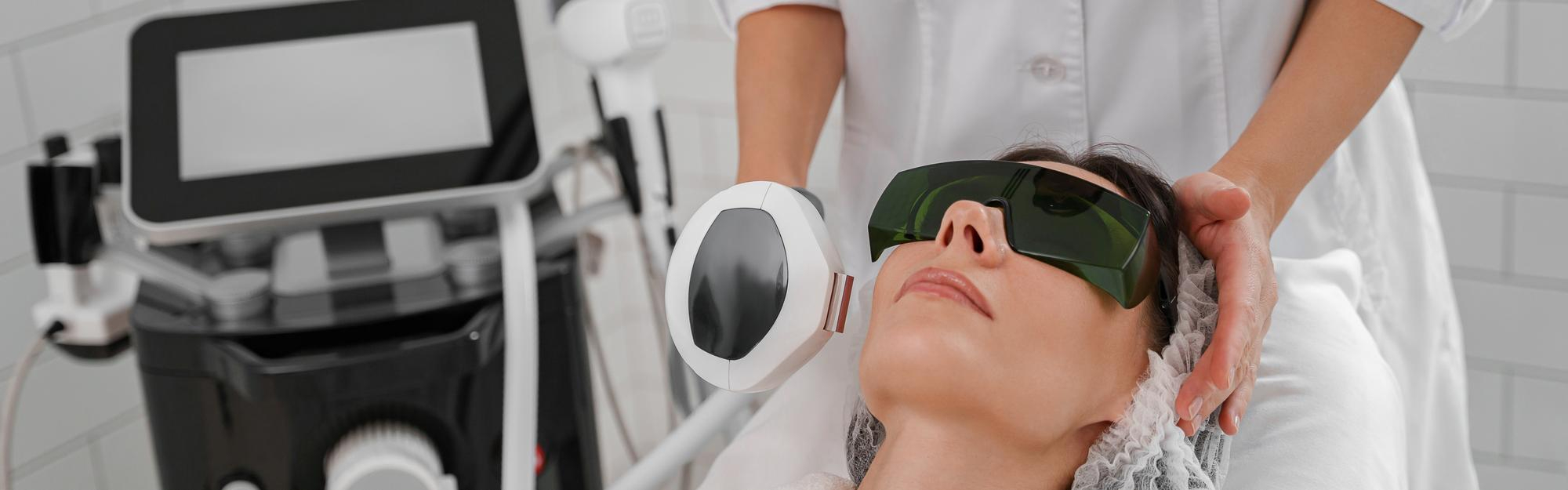
Phase 3 (Post-Breastfeeding): Advanced Options
- Low-strength chemical peels
- Laser toning
- Prescription depigmenting therapy
This prevents rebound pigmentation and protects sensitive postpartum skin.
When Should You See a Dermatologist?
Seek expert care if:
- Pigmentation worsens after delivery
- Over-the-counter products don’t work after 3 months
- Patches become darker or uneven
- You want faster, medically supervised results
Early treatment prevents melasma from becoming chronic and difficult to treat.
Why New Mothers Trust Pyramid Healthcare
- Breastfeeding-safe treatment protocols
- Women-focused dermatology expertise
- Customized plans for Indian skin tones
- Medical-grade skincare support
- Long-term melasma management
We combine science, safety, and empathy—because postpartum care should support both your skin and your motherhood journey.
Final Takeaway
The best treatment for melasma on face after pregnancy is not a single cream—it’s a safe, consistent strategy that includes:
- Daily Eclipse sunscreen
- Azelaic acid therapy
- Niacinamide and vitamin C support
- Dermatologist-guided care
With patience and the right plan, melasma can fade significantly—helping you feel confident in your skin again.
Struggling with postpartum melasma?
Book a consultation at Pyramid Healthcare for a personalized, breastfeeding-safe treatment plan designed for real results.


 2025 All Rights Reserved, Pyramid Healthcare.