

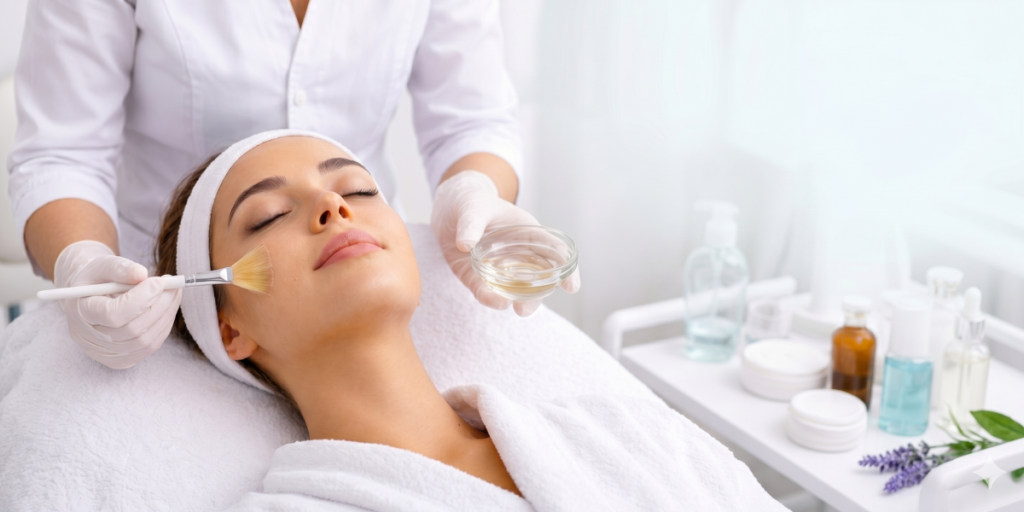
Best Facial Peel for Hyperpigmentation in 2026: 7 Effective Peels That Actually Help Fade Dark Spots
Dark spots can be stubborn. One breakout leaves a mark for months. A beach vacation turns into sun patches that refuse to fade. Hormonal changes can trigger melasma that seems impossible to manage. For many people, hyperpigmentation is not just a skincare issue—it affects confidence too. That is why Facial Peel for Hyperpigmentation remains one of the most trusted treatments in 2026. A good peel can lift dull, pigmented surface skin, speed up cell renewal, and help your complexion look brighter and more even over time.
But there is one problem: not every peel suits every face.
Some peels are too harsh for sensitive skin. Some work better for acne marks than melasma. Others give fast results but come with peeling and downtime. Choosing the wrong one can waste money—or worse, irritate the skin and make pigmentation look darker.
This guide breaks everything down in a simple way. You will learn which facial peel works best for hyperpigmentation, how each type compares, what to expect, and how to choose the safest option for your skin tone and skin type.
What Is Hyperpigmentation?
Hyperpigmentation is the term used when certain areas of the skin become darker than the surrounding skin. This happens when the skin produces extra melanin, the pigment that gives skin its color.
It can appear in many forms:
- Small acne marks left after pimples heal
- Sun spots on cheeks, forehead, or nose
- Melasma patches caused by hormones
- Dark marks after irritation or injury
- Uneven skin tone that looks patchy or dull
Some spots fade naturally. Others stay without treatment for months or years.
Why Dark Spots Are So Hard to Remove
Pigment sits in layers of the skin. If it is shallow, it can fade with skincare products such as vitamin C, niacinamide, or retinoids. But when pigment is deeper or more stubborn, creams alone may not do enough.
That is where facial peels help.
They remove damaged outer skin cells and encourage fresh skin to rise to the surface. With repeated treatments, the pigmented area gradually lightens.
How a Facial Peel Helps Hyperpigmentation
A facial peel uses exfoliating ingredients—usually acids—to loosen and remove old skin cells from the top layer of the skin.
Once that layer sheds, skin begins to renew itself. Over time, this can lead to:
- Lighter dark spots
- Smoother texture
- More glow
- Cleaner pores
- Better product absorption
- Fresher, more even skin tone
The key phrase here is over time. Peels are effective, but they are rarely a one-time miracle treatment.
7 Best Facial Peels for Hyperpigmentation in 2026
1. Glycolic Peel – Best Overall for Most People
If someone asks dermatologists for one versatile peel, glycolic acid often comes up first.
Glycolic acid comes from sugar cane and has a very small molecular size, which helps it penetrate the skin well. It is known for improving dullness, roughness, and uneven tone.
Best For:
- Sun spots
- Mild acne marks
- Rough texture
- Tired-looking skin
What People Like About It:
- Noticeable glow after treatment
- Skin feels smoother quickly
- Works well in a treatment series
Things to Consider:
It can sting sensitive skin and may feel too strong if your barrier is already damaged.
Final Thought:
For general pigmentation concerns, glycolic remains one of the best all-round choices in 2026.
2. Lactic Acid Peel – Best for Sensitive or Dry Skin
If your skin reacts to everything, start here.
Lactic acid exfoliates gently while also helping the skin hold moisture. That makes it a great option for people who want brighter skin without harsh irritation.
Best For:
- Sensitive skin
- Dry skin
- Beginners
- Mild uneven tone
What People Like About It:
- Less burning than stronger peels
- Leaves skin soft
- Easier recovery
Things to Consider:
Results come more slowly than glycolic or TCA peels.
Final Thought:
A smart starting point if your skin is reactive or easily dehydrated.
3. Salicylic Peel – Best for Acne Marks and Oily Skin
If you deal with breakouts and dark marks at the same time, salicylic acid can be very useful.
Unlike some acids that act mainly on the surface, salicylic acid can penetrate pores and dissolve excess oil.
Best For:
- Oily skin
- Active acne
- Blackheads
- Post-acne pigmentation
What People Like About It:
- Helps control breakouts
- Reduces congestion
- Useful for acne scars and marks
Things to Consider:
It may feel dry, so moisturizer matters.
Final Thought:
For oily or acne-prone skin, this is often one of the smartest peel choices.
4. Mandelic Peel – Best for Indian Skin and Deeper Skin Tones
This peel has become more popular for a reason.
Mandelic acid works more slowly and gently than glycolic acid. That slower penetration often means less irritation and a lower chance of rebound pigmentation.
Best For:
- Medium to deep skin tones
- Indian skin
- Sensitive skin
- Post-inflammatory marks
What People Like About It:
- Lower irritation risk
- Safer for melanin-rich skin
- Helps with marks and texture
Things to Consider:
You may need more sessions to see great changes.
Final Thought:
For many people with brown skin, mandelic is one of the safest peel options to begin with.
5. TCA Peel – Best for Stubborn Pigmentation
When regular peels do not seem strong enough, TCA may be recommended by professionals.
TCA (trichloroacetic acid) is a deeper peel used in clinics for more visible correction.
Best For:
- Old sun spots
- Stubborn pigmentation
- Texture issues
- Deeper discoloration
What People Like About It:
- Stronger results
- Fewer sessions compared with mild peels
- Can improve skin tone dramatically
Things to Consider:
Expect downtime. Peeling can be noticeable, and professional supervision is important.
Final Thought:
This is not a casual lunch-break peel. But for stubborn pigment, it can be very effective.
6. Jessner Peel – Best for Multiple Concerns
Jessner peels usually combine exfoliating ingredients, making them useful when someone has several concerns at once.
Best For:
- Pigmentation
- Acne
- Congestion
- Rough skin
What People Like About It:
- Treats several issues together
- Strong resurfacing effect
Things to Consider:
Recovery may be more noticeable than lighter peels.
Final Thought:
Good if you want broader improvement, not only spot fading.
7. Retinol Peel – Best for Glow and Maintenance
Retinol peels continue to grow in popularity because they help with pigmentation while also supporting smoother-looking skin.
Best For:
- Mild spots
- Fine lines
- Dull skin
- Regular maintenance
What People Like About It:
- Fresher look
- Less downtime than aggressive peels
- Great for ongoing upkeep
Things to Consider:
Some dryness or flaking is common.
Final Thought:
A good option if your pigmentation is mild and you also want a refreshed look.
Which Peel Should You Choose Based on Skin Type?
Sensitive Skin
Go for:
- Lactic acid
- Mandelic acid
Oily Skin
Better options:
- Salicylic acid
- Jessner peel
Dry Skin
Try:
- Lactic acid
- Retinol peel
Mature Skin
Often helpful:
- Glycolic peel
- TCA peel
Indian / Brown Skin
Usually safer starting points:
- Mandelic peel
- Lactic peel
At-Home Peel vs Professional Peel
At-Home Peels
These are lower strength and easier to manage.
Good For:
- Maintenance
- Mild dullness
- Beginners
Not Ideal For:
- Deep pigmentation
- Melasma
- Long-standing marks
Professional Peels
Done in a clinic using stronger formulas.
Good For:
- Faster visible change
- Stubborn pigmentation
- Customized treatment plans
Not Ideal For:
- People who cannot manage downtime
- Anyone unwilling to follow the aftercare
How Many Sessions Will You Need?
This depends on the type of pigmentation and how consistent you are.
Rough Estimate:
- Mild acne marks: 3 to 4 sessions
- Moderate pigmentation: 4 to 6 sessions
- Melasma: ongoing maintenance
- Old sun damage: several sessions plus home care
Most clinics space sessions every few weeks.
How Much Does It Cost in 2026?
India
- Basic peel: ₹2,000 to ₹4,000
- Mid-range clinic peel: ₹5,000 to ₹8,000
- Premium dermatologist treatment: ₹10,000+
International Markets
- At-home products: $20 to $80
- Clinical peels: $100 to $500 per session
Important Side Effects to Know
Even a good peel can go wrong when used carelessly.
Common Temporary Reactions:
- Redness
- Tightness
- Dryness
- Mild flaking
- Sensitivity
Risks If Misused:
- Burns
- Irritation
- Darker marks after inflammation
- Delayed healing
That is why choosing the right peel matters more than choosing the strongest peel.
Aftercare Matters More Than Most People Realize
A peel is only half the process. What you do afterward affects results.
Do This:
- Wear sunscreen every day
- Moisturize generously
- Avoid direct sun
- Use a gentle cleanser
- Let peeling skin shed naturally
Avoid This:
- Scrubs
- Picking flakes
- Waxing
- Harsh serums too soon
- Skipping SPF
Without sunscreen, pigmentation often comes back quickly.
My Honest Verdict
If you want one safe and effective place to start, a glycolic peel is still a strong overall option.
Your skin is sensitive, choose lactic or mandelic.
Acne marks are your main issue; salicylic acid is often the better route.
Pigmentation is stubborn and older; speak with a dermatologist about TCA.
There is no single “best peel” for everyone. The right peel depends on your skin tone, skin type, sensitivity level, and the reason your pigmentation appeared in the first place.
Frequently Asked Questions
Which facial peel works fastest for hyperpigmentation?
TCA and stronger professional peels often work faster, but they also come with more downtime.
Are facial peels safe for Indian skin?
Yes, when selected properly. Mandelic and lactic peels are often safer starting choices.
Can one peel remove dark spots completely?
Usually no. Most people need multiple sessions and consistent sun protection.
Is glycolic better than salicylic?
For general pigmentation, glycolic often wins. For acne-prone skin, salicylic acid may be the better fit.
Final Words
Hyperpigmentation can be frustrating, but it is treatable. The mistake many people make is choosing random treatments without understanding their skin.
Pick the right peel, stay patient, protect your skin from the sun, and give the process time.
That is when real improvement happens. Looking for more details, contact our expert for more insights.


 2025 All Rights Reserved, Pyramid Healthcare.