

Chemical Peel for Melasma vs Dark Circles vs Dark Spots: What Works Best in 2026?
Introduction: Why Pigmentation Treatments Are Trending in 2026
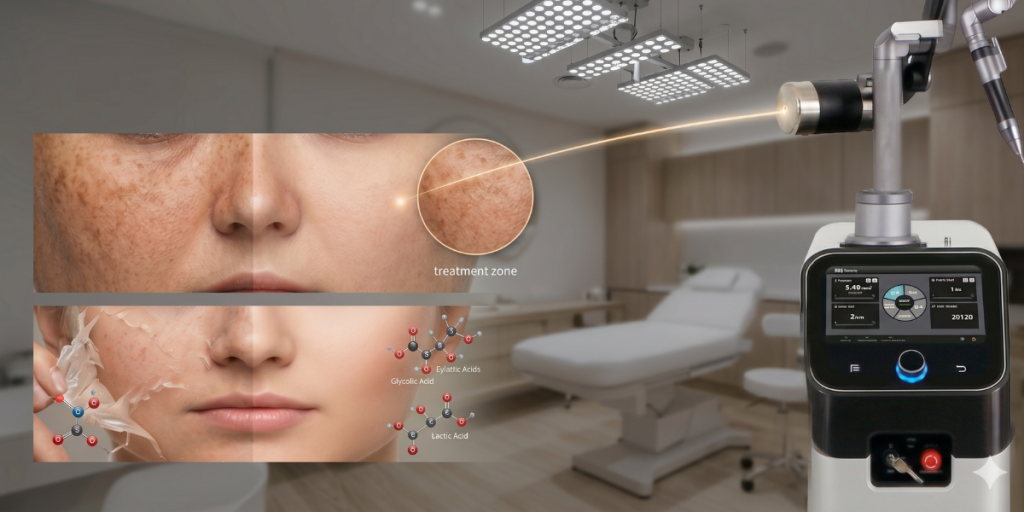
Skin pigmentation concerns have evolved into one of the top dermatological issues globally in 2026, driven by factors like increased sun exposure, screen-induced skin stress, hormonal imbalances, and post-acne marks. Among all available treatments, chemical peel remains one of the most widely recommended dermatological procedures due to its ability to:
- Accelerate skin cell turnover
- Target uneven pigmentation
- Improve skin clarity and texture
However, not all pigmentation concerns respond the same way.
Treating melasma, dark circles, and dark spots with chemical peels requires completely different approaches, expectations, and levels of caution.
This in-depth guide breaks down everything you need to know—from science to results.
Understanding Chemical Peels: How They Actually Work
A chemical peel works by applying a controlled acidic solution to the skin, which:
- Breaks down the bonds between dead skin cells
- Triggers exfoliation and shedding
- Stimulates regeneration of new skin cells
Over time, this leads to:
- Reduced melanin buildup
- Brighter complexion
- Smoother skin texture
Types of Chemical Peels
- Superficial Peels: Target the outermost layer (epidermis)
- Medium Peels: Penetrate deeper into the skin
- Deep Peels: Reach the dermis for significant correction
The depth of the peel determines both results and risks—especially important when treating sensitive concerns like melasma or under-eye darkness.
Chemical Peel for Melasma: A High-Maintenance Treatment
What Makes Melasma Difficult to Treat?
Melasma is not just surface pigmentation—it is a chronic, hormonally influenced condition that affects deeper layers of the skin.
Triggers include:
- Hormonal changes (pregnancy, PCOS)
- UV exposure
- Heat and inflammation
This makes melasma prone to recurrence, even after successful treatment.
How Chemical Peels Help Melasma
Chemical peels help by:
- Gradually dispersing excess melanin
- Enhancing penetration of depigmenting agents
- Improving overall skin tone
Best Chemical Peels for Melasma (2026 Dermatology Standards)
- Mandelic Acid Peels: Gentle and safe for sensitive or darker skin tones
- Lactic Acid Peels: Hydrating and mild
- Low-Strength Glycolic Peels: Used cautiously in controlled sessions
Risks You Must Know
- Over-aggressive peels can worsen melasma (post-inflammatory hyperpigmentation)
- Sun exposure can reverse results quickly
- Requires long-term maintenance
Expert Verdict:
Chemical peels can improve melasma, but they are not a standalone cure. Success depends on a combination of professional treatment, strict sun protection, and ongoing skincare.
Chemical Peel for Dark Circles: Limited but Targeted Results
Understanding Dark Circles: It’s Not Always Pigmentation
Dark circles are complex and may be caused by:
- Pigmentation (brown discoloration)
- Thin skin revealing blood vessels
- Genetics
- Volume loss or shadowing
Chemical peels only work on pigmented dark circles, not structural or vascular causes.
How Peels Help Under-Eye Darkness
- Light exfoliation reduces melanin deposits
- Improves skin brightness and smoothness
- Enhances absorption of eye creams
Best Peels for Under-Eye Use
- Lactic Acid (Low Strength)
- Mild Glycolic Acid Peels
These are chosen specifically because the under-eye area is extremely delicate and prone to irritation.
Limitations
- No effect on hollow eyes or blood vessels
- Results are subtle and gradual
- High risk if done incorrectly
Expert Verdict:
Chemical peels are not the primary solution for dark circles. They can help slightly—but only in pigmentation-based cases.
Chemical Peel for Dark Spots: The Most Effective Use Case
Why Dark Spots Respond Best
Dark spots (also known as post-inflammatory hyperpigmentation or sunspots) are typically located in the upper layers of the skin, making them ideal for exfoliation treatments.
How Chemical Peels Target Dark Spots
- Remove pigmented surface cells
- Speed up skin renewal
- Break down localized melanin clusters
Most Effective Peels for Dark Spots
- Glycolic Acid: Gold standard for brightening
- Salicylic Acid: Ideal for acne-related spots
- TCA (Trichloroacetic Acid): Targets deeper pigmentation
What Results Can You Expect?
- Visible improvement in 2–4 sessions
- More even skin tone
- Reduction in acne marks and sun damage
Expert Verdict:
Chemical peels are highly effective for dark spots and often deliver the fastest, most noticeable results among all pigmentation concerns.
Comparison: Melasma vs Dark Circles vs Dark Spots
| Factor | Melasma | Dark Circles | Dark Spots |
|---|---|---|---|
| Root Cause | Hormonal & chronic | Multiple factors | Surface pigmentation |
| Peel Effectiveness | Moderate | Limited | High |
| Risk Level | High | Medium | Low–Medium |
| Maintenance | Ongoing | Occasional | Short-term |
| Results Speed | Slow | Subtle | Fast |
How to Choose the Right Chemical Peel
Making the right choice depends on accurate diagnosis, not assumptions.
- Choose gentle, repeated peels if you have melasma
- Consider peels only if your dark circles are pigmentation-based
- Opt confidently for peels if you have dark spots or acne marks
When in doubt, consult a dermatologist—misuse can worsen pigmentation.
2026 Innovations in Chemical Peels
Modern skincare has significantly upgraded chemical peel treatments:
- AI-based skin analysis for personalized peel selection
- Combination therapies (peels + lasers + serums)
- Barrier-repair technology to reduce downtime
- Progressive peeling protocols for safer long-term results
Essential Aftercare: The Key to Long-Lasting Results
Post-peel care is just as important as the treatment itself.
Do’s
- Use broad-spectrum sunscreen (SPF 50+) daily
- Keep skin hydrated with barrier-repair moisturizers
- Follow a gentle skincare routine
Don’ts
- Avoid sun exposure and heat
- Don’t exfoliate or scrub the skin
- Never peel flaking skin manually
FAQs
1. Which is better: a chemical peel or a laser for pigmentation?
Chemical peels are great for surface pigmentation, while lasers target deeper layers. Often, a combination works best.
2. Can chemical peels make pigmentation worse?
Yes—if done incorrectly or without sun protection, they can trigger post-inflammatory hyperpigmentation.
3. How long do results last?
- Dark spots: Long-lasting with care
- Melasma: Temporary without maintenance
- Dark circles: Varies depending on the cause
4. Are at-home chemical peels effective?
Mild at-home peels can help maintain results but are not as effective as professional treatments.
5. What is the best age to start chemical peels?
There’s no fixed age—treatment depends on skin concerns rather than age.
Final Thoughts
Chemical peels are a powerful dermatological tool—but their effectiveness depends heavily on what you’re treating.
- Best results: Dark spots
- Requires caution: Melasma
- Limited use: Dark circles
In 2026, the focus is no longer just on treatment—but on precision, personalization, and prevention.
The smartest approach? Treat your skin concern based on its root cause—not just its appearance. Have a doubt about what you choose, talk with us!


 2025 All Rights Reserved, Pyramid Healthcare.